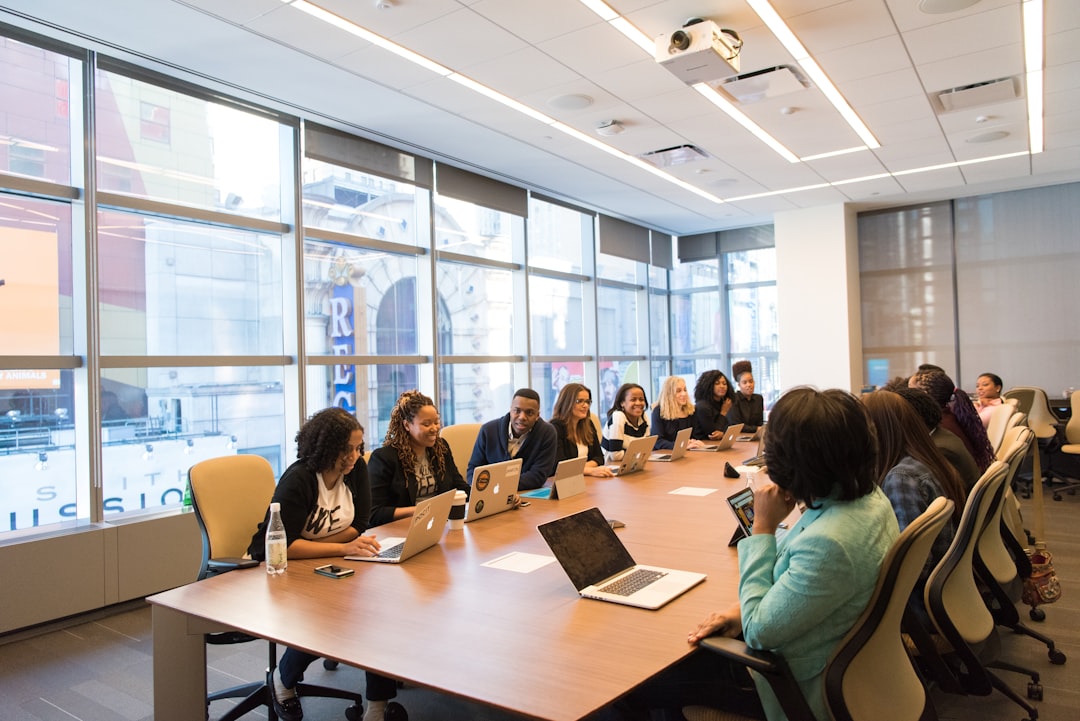
The job interview landscape continues to evolve in 2025, bringing new challenges and opportunities for candidates. Whether you're interviewing for your first position or making a career change, mastering modern interview techniques is essential for success. This comprehensive guide will walk you through proven strategies that will help you stand out and secure your dream role.
Understanding the Modern Interview Process
Today's interview process has transformed significantly from traditional face-to-face meetings. Companies now employ multiple assessment methods including video interviews, skills assessments, and behavioral evaluations. Understanding this multi-stage process is the first step to effective preparation.
The typical interview journey now includes initial screening calls, technical assessments, cultural fit evaluations, and final rounds with senior leadership. Each stage requires different preparation strategies and focuses on distinct aspects of your candidacy.
Research: Your Foundation for Success
Thorough research forms the bedrock of interview success. Start by deeply understanding the company's mission, values, recent news, and industry position. Review their website, social media presence, and any available annual reports or press releases.
Go beyond surface-level information. Understand their competitors, market challenges, and growth trajectory. This knowledge allows you to ask intelligent questions and demonstrate genuine interest in the organization's future.
Crafting Your Personal Narrative
Your ability to articulate your professional story compellingly can make or break an interview. Develop a clear narrative that connects your experiences, skills, and aspirations to the role you're pursuing. Practice explaining career transitions, gaps, or changes in a positive, growth-oriented way.
Use the STAR method for behavioral questions: describe the Situation, explain the Task, detail your Actions, and highlight the Results. Prepare five to seven strong stories that showcase different competencies relevant to the role.
Mastering Common Interview Questions
While every interview is unique, certain questions appear consistently. Prepare thoughtful responses to classics like "Tell me about yourself," "What are your strengths and weaknesses," and "Why do you want this role?" Your answers should be authentic, specific, and relevant to the position.
For weakness questions, choose real areas of development and explain the steps you're taking to improve. This demonstrates self-awareness and commitment to growth. When discussing strengths, provide concrete examples that align with the job requirements.
Technical and Behavioral Preparation
Technical interviews require role-specific preparation. Review key concepts, practice relevant skills, and prepare to discuss your technical decision-making process. Many companies now include live problem-solving exercises, so practice thinking aloud through challenges.
For behavioral interviews, prepare examples that demonstrate leadership, teamwork, conflict resolution, and innovation. Think through challenging situations you've navigated and how you achieved positive outcomes despite obstacles.
Body Language and Non-Verbal Communication
Your non-verbal communication speaks volumes before you utter a word. Maintain good posture, make appropriate eye contact, and use natural hand gestures. In video interviews, position your camera at eye level and ensure good lighting to create a professional impression.
Practice your handshake for in-person meetings. A firm, confident handshake sets a positive tone. Throughout the interview, mirror your interviewer's energy level while maintaining your authentic personality.
Asking Strategic Questions
The questions you ask reveal your priorities and thinking depth. Prepare thoughtful questions about team dynamics, company culture, growth opportunities, and success metrics for the role. Avoid questions about salary and benefits in initial interviews unless the interviewer raises these topics.
Questions like "What does success look like in this role?" or "What challenges does the team currently face?" demonstrate your forward-thinking approach and genuine interest in contributing value.
Mock Interviews and Practice
Practice is crucial for interview success. Conduct mock interviews with friends, mentors, or professional coaches. Record yourself to identify verbal tics, filler words, or distracting mannerisms. The more you practice, the more natural and confident you'll appear.
Practice in conditions similar to your actual interview. If it's a video interview, practice with the same technology. If it's in-person, practice in professional attire to get comfortable with your outfit.
Managing Interview Anxiety
Interview anxiety is normal and can even enhance performance when managed properly. Develop a pre-interview routine that calms your nerves: deep breathing, positive visualization, or light exercise. Arrive early to avoid rushed feelings and give yourself time to settle.
Reframe nervous energy as excitement. Remember that interviews are conversations, not interrogations. The company wants you to succeed because finding the right candidate benefits everyone.
Follow-Up and Next Steps
Your interview doesn't end when you leave the room. Send a personalized thank-you email within 24 hours, referencing specific discussion points from your conversation. This demonstrates professionalism and reinforces your interest in the position.
If you don't hear back within the expected timeframe, it's appropriate to send a polite follow-up inquiry. Regardless of the outcome, every interview is a learning opportunity that strengthens your skills for future opportunities.
Conclusion
Interview success in 2025 requires thorough preparation, authentic communication, and strategic thinking. By implementing these strategies, you'll approach interviews with confidence and significantly improve your chances of landing your desired role. Remember that interviewing is a skill that improves with practice and reflection.
Invest time in preparation, stay authentic to your values, and view each interview as an opportunity to learn and grow. With the right approach, you'll not only excel in interviews but also find positions that truly align with your career aspirations and personal values.